Before You Start mroof: Essential Tips for Homeowners in 2026
Understanding Metal Roofing Benefits
In today’s ever-evolving housing market, durability and functionality are paramount for homeowners, particularly in Toronto and the Greater Toronto Area (GTA). Metal roofing has emerged as a sought-after choice due to its remarkable benefits. Not only does it enhance the aesthetic appeal of properties, but it also significantly increases their value and longevity. When exploring options, mroof provides comprehensive insights into various types of metal roofing available to homeowners looking to invest in quality and reliability.
Why Choose Metal Roofing for Your Home?
One of the primary reasons homeowners are turning to metal roofing is its impressive lifespan. Traditional roofing materials, such as asphalt shingles, can last approximately 15-20 years, while metal roofs can endure for 40-70 years with proper maintenance. This longevity offers not just peace of mind but also a lower total cost of ownership over time.
Furthermore, metal roofs are less susceptible to common issues such as warping, cracking, and mold growth. They can effectively withstand extreme weather conditions, including heavy snowfall, wind, and rain, making them an ideal choice for Toronto’s variable climate.
Energy Efficiency and Cost Savings of Metal Roofs
Another compelling advantage of metal roofing is its energy efficiency. Metal roofs reflect solar radiant heat, which can reduce cooling costs in summer by 10-25%. This energy-saving benefit is especially relevant given the rising utility costs in urban areas. With advancements in technology, many metal roofs come with highly reflective coatings, making them even more efficient and reducing the carbon footprint of homeowners.
Moreover, choosing metal roofing may qualify homeowners for certain energy tax credits, making it not only a sustainable choice but also a financially savvy investment.
Durability: A Long-Term Investment
Durability is paramount when selecting roofing materials. Metal roofs excel in this regard due to their resistance to corrosion, rust, and pest infestations. Unlike traditional roofs that may require frequent repairs or replacements, metal roofs can significantly reduce maintenance costs, making them a wise investment for both residential and commercial properties.
- High wind resistance: Metal roofs can withstand winds up to 140 mph.
- Fire resistance: Metal roofing can prevent the spread of flames.
- Non-combustible: Unlike asphalt shingles, metal does not ignite in high temperatures.
Types of Metal Roofing Available in Toronto
In Toronto, a variety of metal roofing materials provide options for every homeowner’s aesthetic preferences and budget. Understanding these options can help you make an informed decision that enhances your property’s appearance and functionality.
Overview of Metal Roofing Materials
The most common types of metal roofing materials include:
- Steel: Often coated with zinc (galvanized) or a combination of zinc and aluminum (galvalume), steel roofs are durable and can last for decades.
- Aluminum: Lightweight and resistant to corrosion, aluminum roofing is ideal for coastal areas where salt can accelerate rust.
- Copper: Renowned for its beauty and longevity, copper develops a unique patina over time, providing an elegant aesthetic.
- Zinc: Similar to copper in terms of longevity, zinc is also easy to maintain and is highly recyclable.
Comparing Styles: Standing Seam vs. Metal Shingles
When selecting metal roofing, homeowners typically choose between standing seam and metal shingles. Each style offers unique benefits and aesthetics.
Standing seam: This roofing style features raised seams that interlock, providing excellent water drainage and wind resistance. It is often chosen for modern architectural designs.
Metal shingles: Available in various designs, including those that mimic traditional shingles, metal shingles provide versatility and can seamlessly integrate into various architectural styles.
Choosing the Best Option for Your Aesthetic and Budget
Ultimately, the best choice depends on both aesthetic preferences and budget considerations. While standing seam roofs tend to be more expensive due to their installation complexity, metal shingles may offer a more budget-friendly option without sacrificing durability or aesthetic appeal.
The Installation Process of Metal Roofing
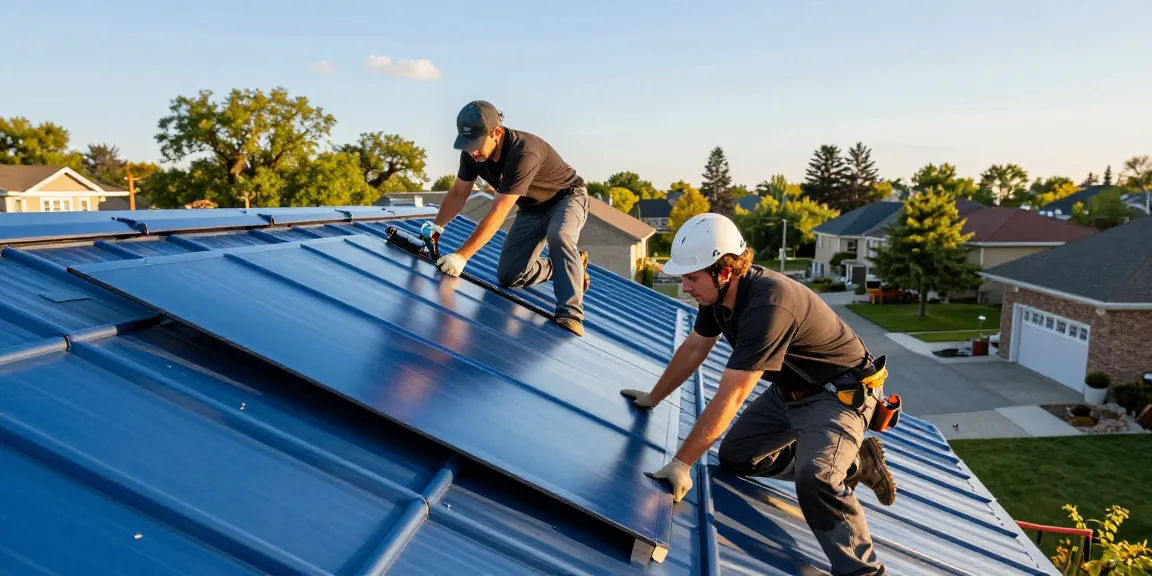
The installation of metal roofing is a crucial process that requires expertise and precision. Proper installation ensures the roof’s longevity and overall effectiveness in protecting your home.
Step-by-Step Guide to Metal Roof Installation
The typical metal roofing installation process involves several key steps:
- Inspection and Preparation: A thorough inspection of the existing roof and preparation of the work area are essential.
- Underlayment Installation: An underlayment is installed to provide an extra waterproof layer.
- Installation of Metal Panels: The metal panels are secured, ensuring correct alignment and spacing.
- Sealing and Finishing: Sealing joints and applying finishing touches complete the installation process.
Common Challenges and Solutions During Installation
Some common challenges during metal roof installation may include weather conditions and the potential for unexpected structural issues. Professional installers are equipped to handle these challenges effectively, ensuring a smooth experience.
Why Hire Professional Services Like mroof
Hiring experienced roofing professionals like mroof ensures that your metal roof will be installed correctly and efficiently. With a track record of satisfied customers and expert knowledge of local building codes, MRoof’s team provides peace of mind and quality assurance.
Selecting the Right Metal Roofing Company
Choosing the right roofing contractor is crucial for a successful metal roof installation. Here are some essential qualities to look for when selecting a company:
Key Qualities to Look for in a Roofing Contractor
- Experience: Look for contractors with a proven track record and extensive experience in metal roofing.
- Licensing and Insurance: Ensure that the contractor is licensed and has adequate insurance coverage.
- Warranty: A good contractor should offer warranties on both materials and workmanship.
Customer Reviews and Reputation Management
Researching customer reviews and testimonials can provide valuable insights into a contractor’s reputation. Online platforms and word-of-mouth referrals serve as excellent resources for checking a company’s reliability and quality of work.
Requesting Estimates and Comparing Quotes
When requesting estimates, ensure you receive detailed quotes that outline the scope of work, materials to be used, and timelines. Comparing quotes from multiple contractors can help you find the best value for your investment.
Future Trends in Metal Roofing for 2026 and Beyond
The landscape of metal roofing continues to evolve, with several trends shaping the future of this industry. As technology advances and consumer preferences shift, homeowners can expect to see the following changes in metal roofing.
Innovations in Metal Roofing Technology
New technologies, such as advanced coatings and energy-efficient designs, will likely enhance the durability and efficiency of metal roofs. Innovations in manufacturing processes also promise to reduce costs and improve installation times.
Sustainable Practices in Roofing Solutions
As environmental concerns grow, sustainable practices in roofing materials and installation methods are becoming increasingly important. Many manufacturers are focusing on eco-friendly materials that are recyclable and sustainable.
Predicted Market Trends for Homeowners
As the market for metal roofing continues to expand, homeowners can expect to see a variety of styles and designs, making it easier to find a solution that fits their unique aesthetic while providing long-lasting functionality.
What are the advantages of metal roofing?
The advantages of metal roofing are extensive, including its longevity, low maintenance requirements, energy efficiency, and ability to withstand severe weather conditions. Homeowners benefit from lower life-cycle costs and enhanced property values.
How long does it take to install a metal roof?
The installation time for a metal roof can vary depending on the size and complexity of the project. On average, installation can take anywhere from 3 to 7 days, depending on weather conditions and other factors.
Can I install a metal roof over my existing roof?
In many cases, metal roofs can be installed over existing roofs, provided they meet specific criteria, such as structural integrity and ventilation requirements. It’s advisable to consult with a professional contractor for an assessment.
What maintenance is required for metal roofs?
Metal roofs generally require minimal maintenance. Periodic inspections, cleaning of debris, and checking for loose fasteners or rust spots will help maintain the roof’s condition and extend its lifespan.
Is metal roofing suitable for my area’s climate?
Metal roofing is highly suitable for various climates, including areas with heavy snowfall, high winds, or extreme heat. Its design and materials can withstand challenging weather conditions while providing optimal insulation.